
Somewhere in Silicon Valley, a room full of tech bros thought it would be a great idea to let people place bets on whether two American servicemen — shot down over hostile territory in Iran — would make it out alive. And they actually posted it on the platform for real people to wager real money on.
Welcome to the future, folks. We’ve officially gamified whether American soldiers live or die. What a time to be alive.
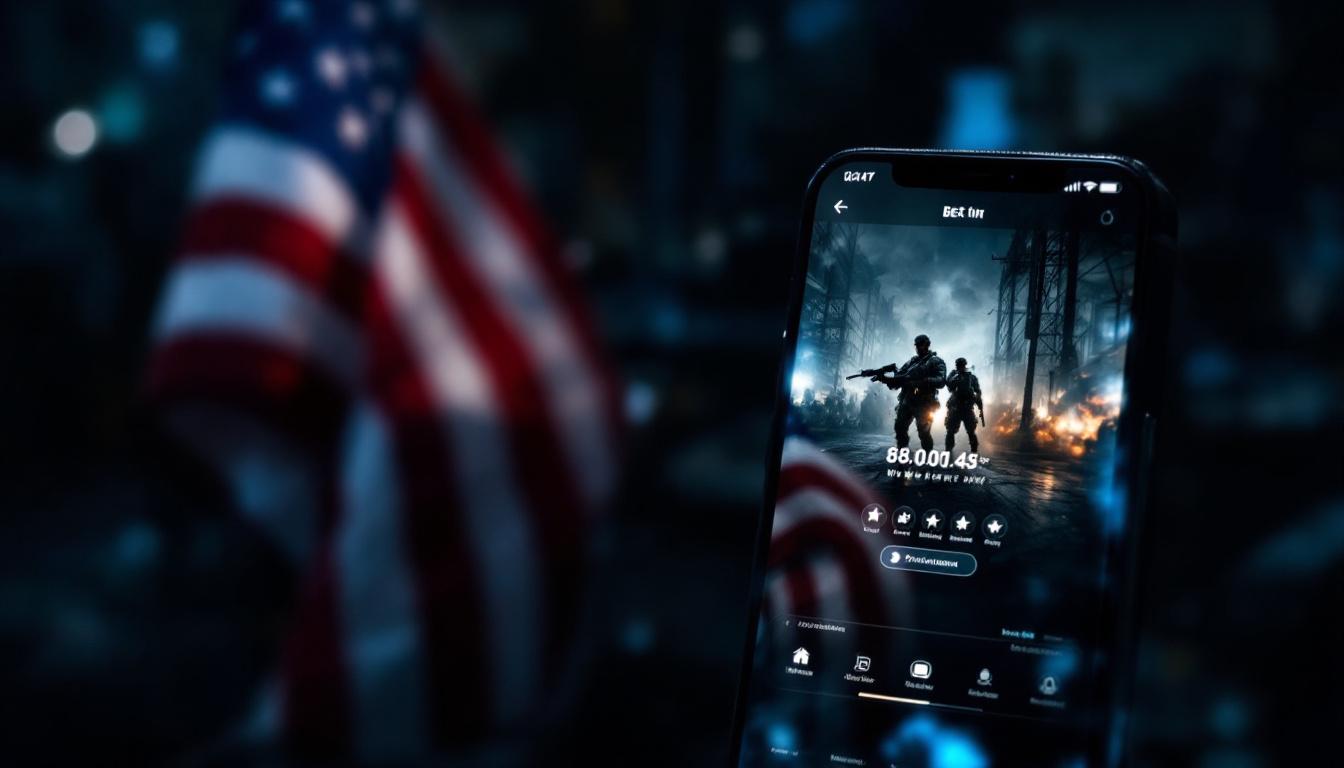
Polymarket — the crypto-powered prediction market that became famous during the 2024 election — posted a betting market on the fate of two U.S. airmen whose F-15 was shot down by Iranian forces. You could literally log on, deposit some cryptocurrency, and place a bet on whether these men would be rescued or die in an Iranian mountain range.
Think about that for a second. Some twenty-something in a WeWork was setting odds on an American pilot’s survival like it was a Monday night football spread.
Polymarket eventually took the market down and issued an apology, saying it “does not meet our integrity standards” and “should not have been posted.” Oh, you think? You let anonymous internet gamblers bet on whether wounded American airmen would survive behind enemy lines and your takeaway is that it didn’t meet your “integrity standards”? That’s like a bank robber apologizing for double-parking the getaway car.
But it gets worse. Way worse.
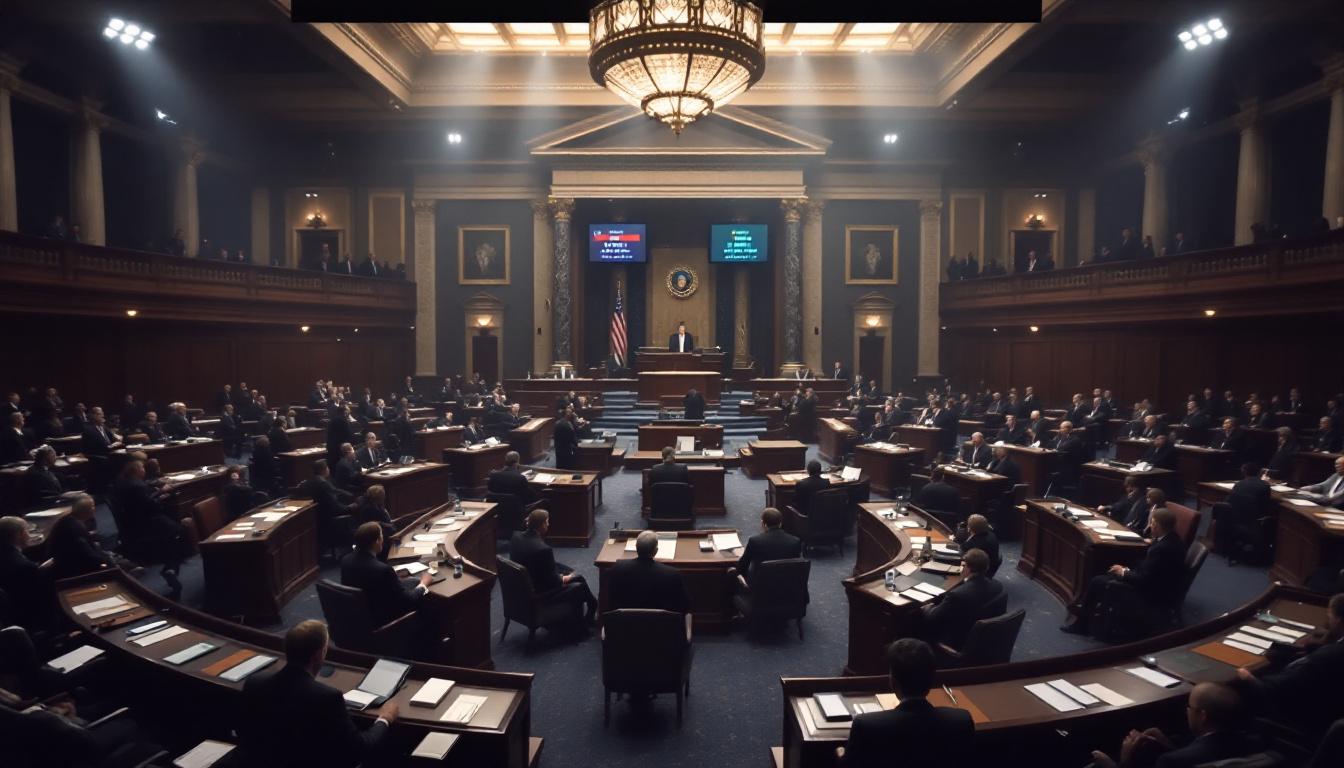
Seven House members, led by Rep. Seth Moulton of Massachusetts — who is a Marine combat veteran himself — sent a letter to the Commodity Futures Trading Commission demanding a crackdown. Moulton called the whole thing “morally corrupt and completely unacceptable,” which might be the understatement of the decade.
And here’s the kicker that should make every American furious: there’s already a federal rule on the books that bans prediction markets from running contracts related to “terrorism, assassination, war, gaming, or any activity that is unlawful.” The rule already exists. The CFTC just hasn’t been enforcing it. Classic Washington — write a rule, put it in a binder, stick it on a shelf, and forget it exists until someone bets on a soldier’s life.
But wait — the pilot betting scandal is just the tip of this garbage iceberg.
Researchers at Harvard just published a paper estimating that $143 million in profits have been made on Polymarket by people who appear to have had insider information about major events. A hundred and forty-three million dollars. Not from smart analysis. Not from reading the tea leaves. From people who knew what was going to happen before it happened and placed their bets accordingly.
When the Iran ceasefire was announced last week, at least 50 brand-new accounts — accounts created that same day — placed massive bets on a ceasefire in the minutes before Trump made the announcement. These were the only bets those accounts ever made. They showed up, cashed in, and vanished like ghosts.
Back in January, an anonymous account made $400,000 betting that Venezuela’s Maduro would be removed from power — hours before it happened. Another account cleared $550,000 betting on the start of the Iran war before bombs started falling.
Somebody in Washington is leaking classified national security information to gamblers. Full stop. There is no innocent explanation for 50 brand-new accounts betting on a ceasefire minutes before the President announces it. None.
The White House apparently agrees, because they just sent a memo warning their own staff not to insider-trade on prediction markets. Think about that — the President of the United States had to send a note to his own employees saying “hey, please don’t gamble on wars using information you learned at work.” That’s where we are.
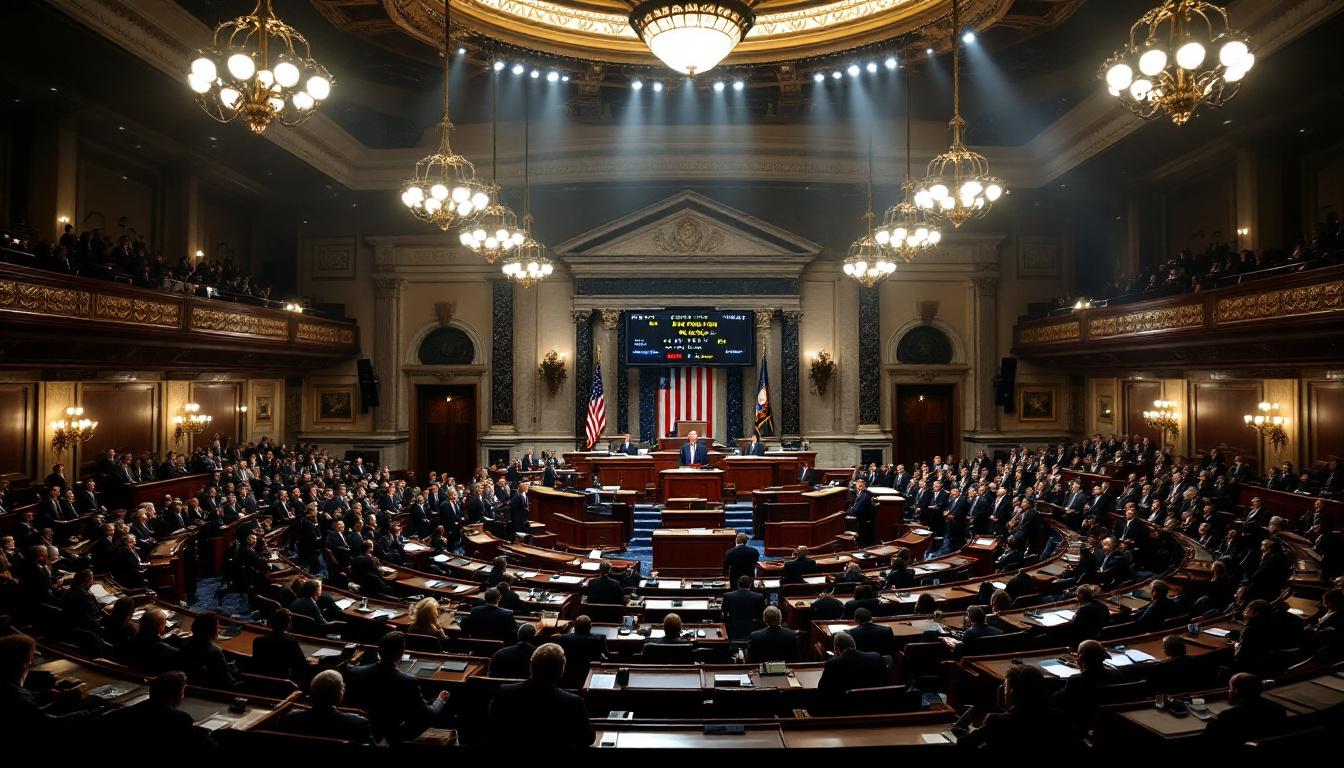
Rep. Ritchie Torres from New York — one of the few Democrats who occasionally makes sense — sent a letter to the CFTC demanding an investigation. There are now two bipartisan bills floating through Congress to crack down on prediction market insider trading.
Bipartisan. On Capitol Hill in 2026. That’s how you know Polymarket really stepped in it.
Here’s what needs to happen. The CFTC needs to enforce the war-betting ban that already exists. The DOJ needs to investigate who’s leaking national security intelligence to anonymous crypto accounts. And Polymarket needs to explain how a market betting on wounded American servicemen’s lives made it past whatever clown they have running quality control.
Our guys were hiding in an Iranian mountain crevice, wounded and waiting for rescue. And someone in Silicon Valley turned it into a casino game.
There’s a word for that. It isn’t “innovation.”