
Forty-three companies. That's how many Chinese firms the Department of Homeland Security just added to the Uyghur Forced Labor Prevention Act Entity List in a single sweep — the largest batch action since the law took effect in 2022. Products made by those companies are now banned from entering the United States.
DHS Secretary Markwayne Mullin announced, "Today we are adding 43 Chinese companies to the Uyghur Forced Labor Prevention Act Entity List." "The American worker must not be undercut and cheated by foreign companies that use slave labor."
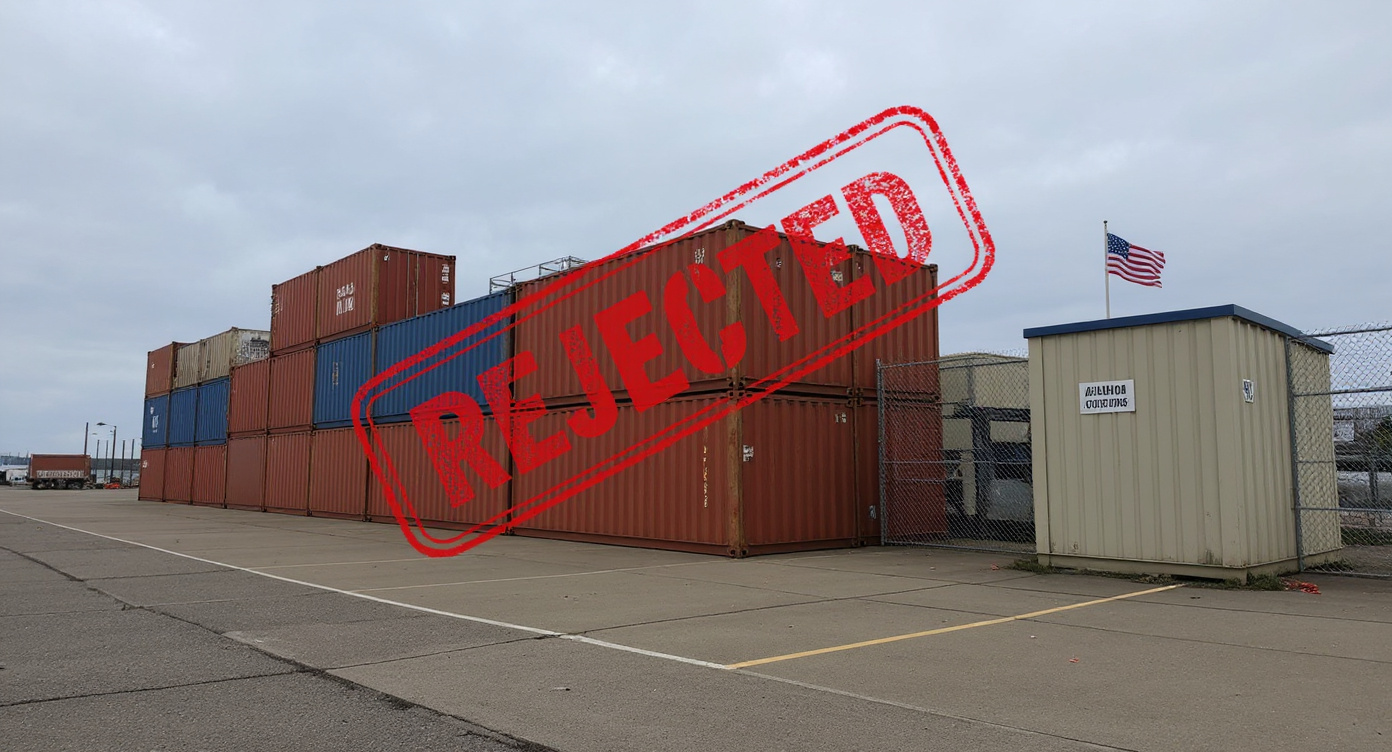
The UFLPA, signed into law in 2022, creates a rebuttable presumption that goods produced in China's Xinjiang region are made with forced labor — meaning they're blocked at the border unless importers can prove otherwise. U.S. Customs and Border Protection has denied entry to 24,300 shipments worth more than $1 billion since enforcement began four years ago.
Among the newly blacklisted firms is Chalkis Health Industry Co. Ltd., a state-owned, Xinjiang-based company involved in tomato sourcing. State-owned. As in, the Chinese government itself is running the forced labor supply chain and shipping the product to American shelves.
DHS Under Secretary for Strategy, Policy, and Plans Rob Law reinforced the administration's posture. "The Trump Administration remains steadfast in its commitment to remove forced labor from U.S. supply chains," Law said.
China's response was predictable. State-run Global Times dismissed the entire framework as a "so-called" forced labor act built on "absurd logic." Which is what you say when the evidence is so overwhelming that the only move left is to pretend the law itself is illegitimate.
For years, the "human rights" crowd in Washington talked a spectacular game about Uyghur forced labor. Congressional Democrats held hearings. Think tanks published white papers. Celebrities tweeted. And Chinese companies kept shipping goods made by slaves directly into American ports. The UFLPA was bipartisan, sure — but enforcement is a policy choice, and 24,300 denied shipments in four years tells you who's actually making it.
The 43-company addition matters beyond the headline number because it targets the supply chain itself. These aren't random factories. They're entities the U.S. government has identified as participants in a system where Uyghur Muslims are forced into labor programs run by the Chinese Communist Party. Blacklisting them doesn't just block their products — it forces every American company doing business with those firms to find new suppliers or face the same import ban.
Worth noting what this action isn't: a tariff negotiation, a diplomatic statement, or a sternly worded letter to Beijing. It's a concrete enforcement mechanism with teeth. Goods get stopped at the border. Money stops flowing to slave labor operations. Companies that relied on cheap Xinjiang supply chains have to restructure or eat the loss.
The move represents the most aggressive single expansion of the UFLPA entity list to date. Four years of enforcement, $1 billion in denied goods, and now 43 more companies cut off from the American market.