
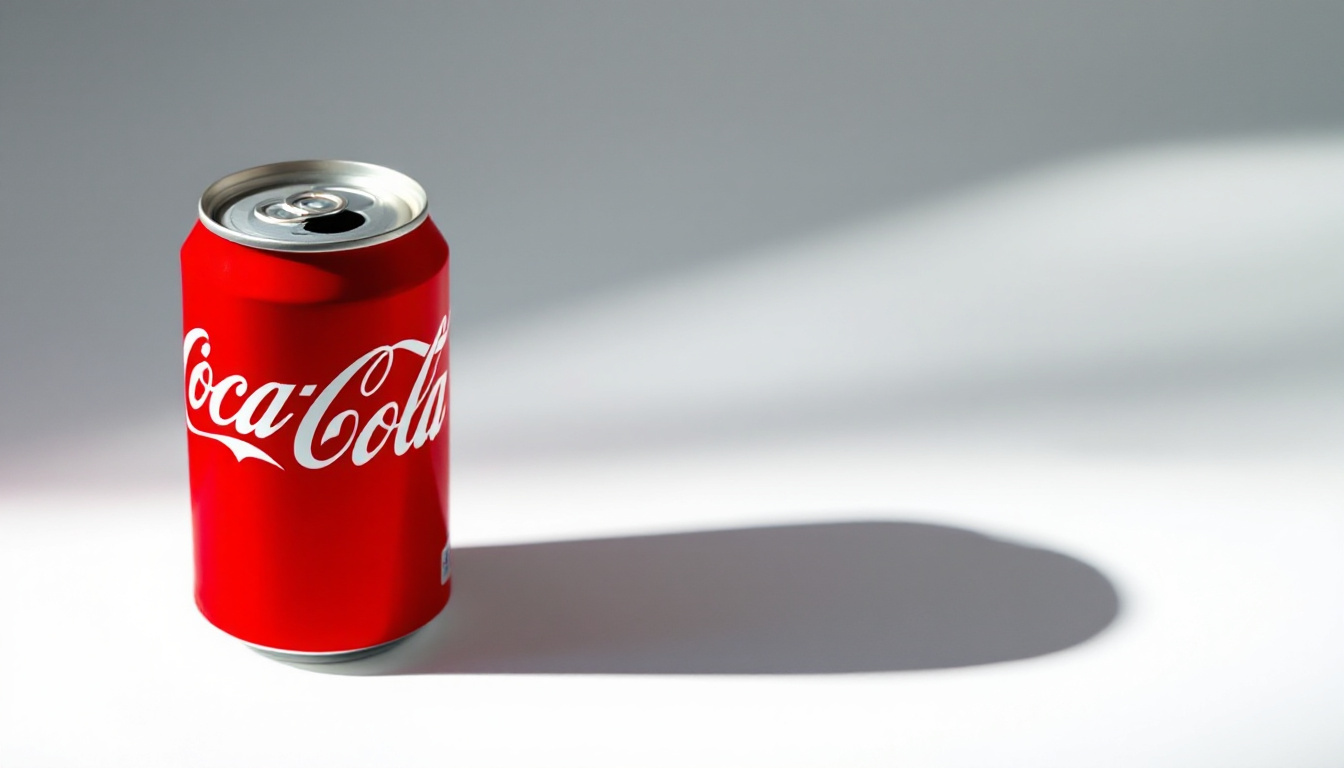
Coca-Cola runs a website feature that lets customers order personalized cans with custom messages. Type in "Satan Is King" and it sails right through. Type in "Jesus Is King" and the system blocks it for violating content guidelines.
Same company. Same website. Same text field.
Coca-Cola's personalization tool systematically rejected Christian references — "Holy Trinity," "Virgin Mary," "Holy Spirit" — while waving through phrases like "Allah Is King" and "Satan Is King." When users tested the boundaries further, the system accepted "Jesus is bad" and "Jesus is evil" without issue. A positive reference to Jesus was the only thing the filter couldn't stomach.
The filtering wasn't some obscure glitch buried in the code. It was a customer-facing tool on one of the most recognizable brand websites on the planet. Users discovered the inconsistency, tested it repeatedly, and started posting the results.
Coca-Cola did not respond to requests for comment. What the company did do was quietly modify the website so that all submissions now undergo manual review for "compliance with its content guidelines." No apology. No explanation for why the original filter was built that way. Just a silent patch and a hope that everyone moves on.
This is the same Coca-Cola whose former CEO James Quincey slammed Georgia's voter ID laws in 2021 after Republican Governor Brian Kemp signed them. Quincey positioned Coca-Cola as a company with a social conscience — brave enough to wade into election law but apparently too delicate to let a customer put Christ's name on a soda can. Quincey stepped down in December 2025, but the culture he built inside the company clearly didn't leave with him.
The company's initial explanation — that it had "restrictions on religious figures" — might have held up if the restrictions applied to all religious figures. They didn't. The system had no problem with Allah. It had no problem with Satan. It specifically and exclusively flagged Jesus. That's not a content policy. That's an editorial choice.
Some will call this a software bug. A well-meaning filter that happened to produce a lopsided result. But corporations spend millions on content moderation. They hire teams to define what gets flagged and what doesn't. Somebody built the list of blocked terms, and "Jesus" was on it while "Satan" was not.
Coca-Cola sells sugar water to Middle America. Its entire brand identity is built on Norman Rockwell nostalgia, polar bears at Christmas, and teaching the world to sing. The customer base isn't Brooklyn content moderators or San Francisco brand strategists. It's families in church parking lots buying a twelve-pack after Sunday service.
The can customizer is back online now with the new review process. Every message goes through human eyes before printing. Funny how the fix only showed up after user's noticed the inconsistency. Almost like the system was working exactly as designed until someone noticed.