
Army Lt. Gen. Brett Sylvia ran the Joint Staff's Directorate for Strategy, Plans and Policy, one of the most important offices in the Pentagon.
According to reports, he also had a regular booth at a diner in Arlington, Virginia.
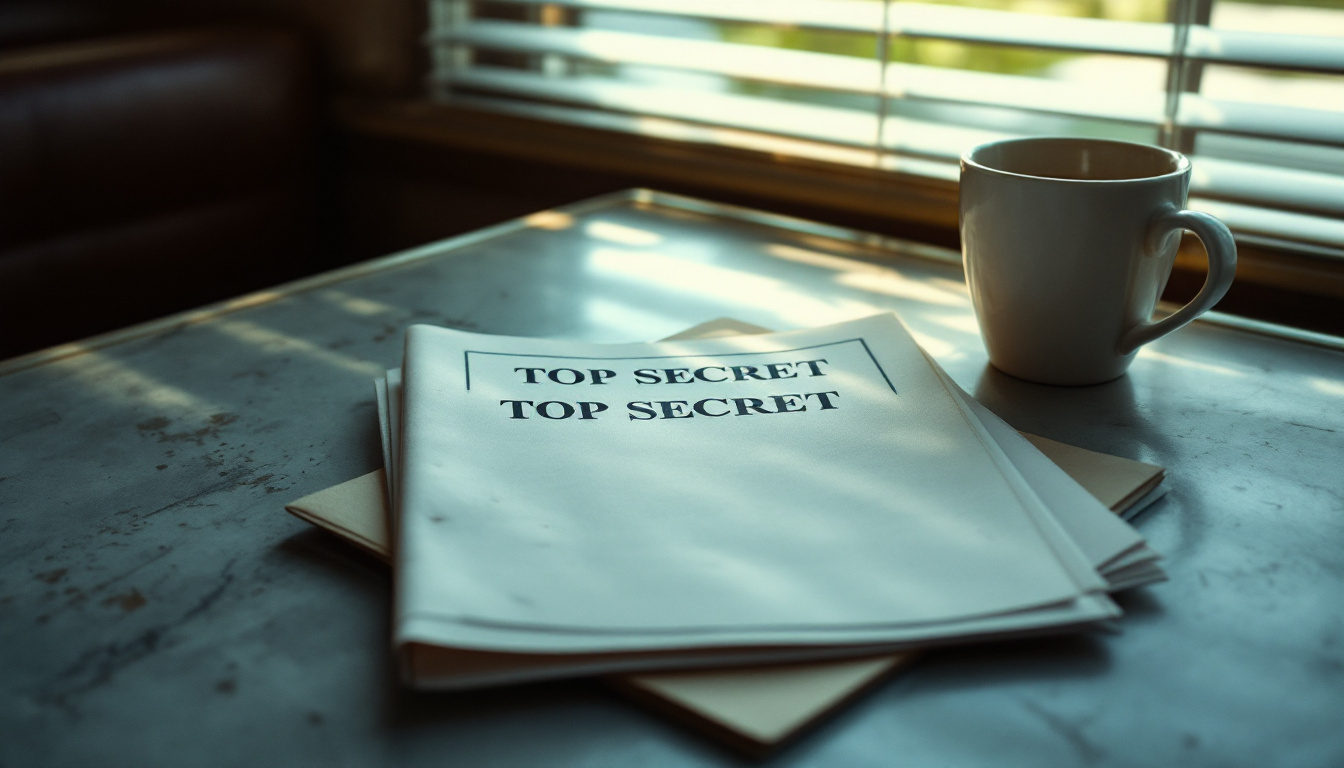
That's where, starting around June 2025, he reportedly met reporters and handed over classified information about the war with Iran and the war in Ukraine. According to an internal investigation report first described by Axios, Sylvia admitted passing classified information about both wars to two reporters from two different news outlets over roughly a year.
A whistleblower with a real concern goes to the inspector general. Sylvia allegedly went to a diner.
He reportedly moved his meetings off campus after Defense Secretary Pete Hegseth started requiring reporters to have escorts inside the Pentagon. That rule was meant to stop exactly this kind of thing, and Sylvia allegedly found a way around it.
The Air Force Office of Special Investigations caught up with him. According to a Defense Department official, he failed three polygraph examinations about the leaks. Hegseth fired him for "severe misconduct," and the case went to the Justice Department.
Pentagon spokesman Sean Parnell said the department has "zero tolerance for the intentional, unauthorized disclosure of classified information."
Then he spoke directly to anyone else still leaking: "We vowed to find you, and we meant it."
The Joint Staff had first put out a statement thanking Sylvia for his "distinguished" service. It withdrew that statement, explaining the original "did not appropriately reflect the full circumstances."
Sylvia had access to the highest level of strategic planning in the U.S. military. A lower-ranking service member who handed classified war information to reporters would be looking at prison. Sylvia allegedly did it over coffee for a year, while American troops were in harm's way in the Middle East. Whatever you call that, it's sabotage with a security clearance.
His defenders are trying out new arguments. Some attorneys say the Pentagon may have broken federal privacy law by letting word of his failed polygraphs get out. Two Pentagon sources say they dispute that he leaked anything classified.
Sylvia is innocent until proven guilty, and the Justice Department will decide whether to charge him. His reported admission will be hard to explain away. And it's hard to take the privacy complaint seriously when the man at the center of it is accused of leaking classified information about an active war for a year.
You'll also hear that Sylvia was acting in the public interest, that Americans deserved to know what was going on. Leaking classified war information to two reporters isn't how you expose wrongdoing. Whistleblowers have legal channels for that, and he reportedly skipped all of them for a diner booth.
The old Washington way of dealing with a senior officer caught leaking was a quiet retirement and a consulting job by spring. This time, investigators ran three polygraphs, documented an admission and sent it to the Justice Department.
Parnell said they would find the leakers. They found this one at a diner in Arlington.