
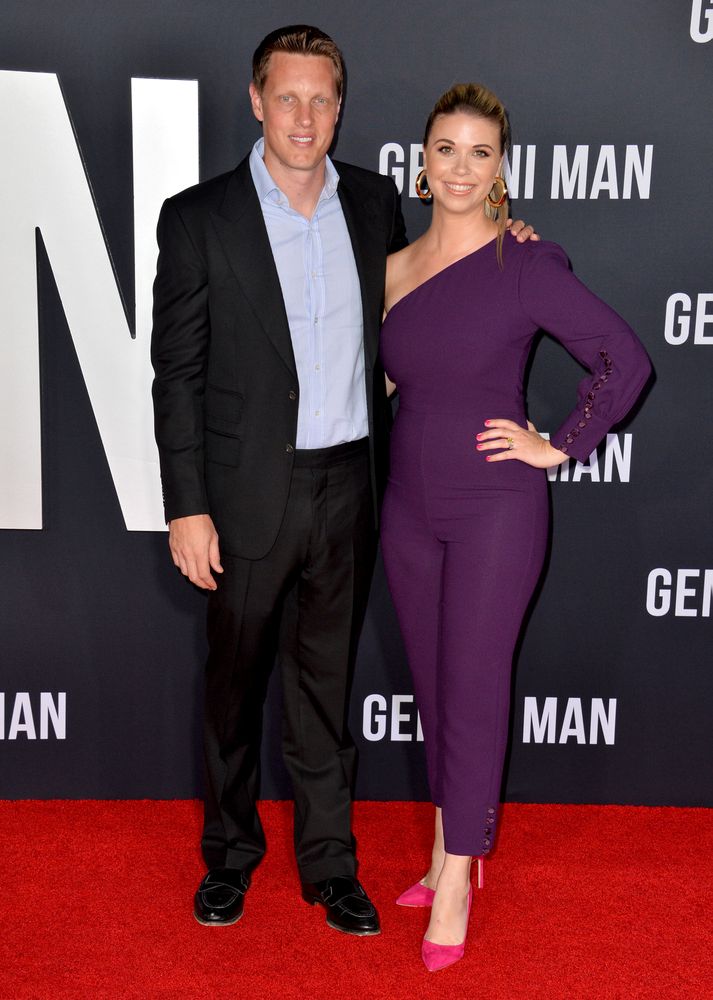
David Ellison — son of Oracle founder Larry Ellison, CEO of Paramount Skydance, and a man whose net worth makes most Hollywood executives look like community theater volunteers — is about to close the biggest media deal in a generation. His company’s $111 billion acquisition of Warner Bros. Discovery will give him control of CNN, HBO, HBO Max, Warner Bros. studios, DC Comics, TNT, TBS, HGTV, Discovery+, and enough intellectual property to fill a library the size of Texas. The shareholder vote is set for April 23rd. And progressives are panicking like someone just cancelled their favorite NPR podcast.
You can almost hear the anxiety sweating through the thinkpieces. “What will happen to CNN’s editorial independence?” “Will HBO still greenlight diverse stories?” “Is this the end of progressive Hollywood?” Short answer: maybe, and wouldn’t that be something.
Let’s back up. David Ellison took over Paramount last August after Shari Redstone finally let go of the family empire. Within months, he stabilized the company, cut the bleeding, and then did something nobody in media expected — he went after Warner Bros. Discovery with a bid so aggressive it knocked Netflix out of the running. Netflix. The company that spends more on content annually than most countries spend on education. Ellison outbid them and didn’t blink.
The combined entity will be the largest media company on the planet. We’re talking about a single corporation that controls a major broadcast network (CBS), the most prestigious cable news channel on Earth (whether CNN deserves that label anymore is debatable, but the brand recognition is undeniable), the most respected premium content brand in television (HBO), a major film studio, and streaming platforms with a combined subscriber base that rivals Netflix and Disney+.
So why are progressives terrified? Because David Ellison isn’t one of them.
Ellison is not a MAGA warrior or a conservative activist. He’s a businessman who has made his fortune by making things people actually want to watch — the Mission: Impossible franchise, Top Gun: Maverick, Star Trek films. His track record is commercial success, not ideological messaging. And in Hollywood, that’s practically a revolutionary act. The entertainment industry has spent the last decade prioritizing message over entertainment, diversity checkboxes over storytelling, and activist credentials over audience appeal. The result? Franchise fatigue, box office disappointments, and a streaming landscape littered with shows nobody watches but everyone is supposed to praise.
Ellison has publicly committed to maintaining CNN’s editorial independence. “It’s maintained at CBS, it’ll be maintained at CNN,” he told reporters. The progressive media class does not believe him, and frankly, neither do we — but for opposite reasons. They’re afraid he’ll turn CNN conservative. We think he’ll do something far more threatening to the establishment: he’ll make CNN competent.
CNN under Warner Bros. Discovery has been a disaster. Ratings have cratered. The network cycled through leadership changes, format experiments, and personality reshuffles that left it with no clear identity. Is it hard news? Is it opinion? Is it a panel show where five people yell at each other about Trump? Nobody knows, including CNN. Ellison doesn’t need to make CNN conservative to terrify progressives. He just needs to make it watchable. A CNN that actually covers news — real news, both sides, with competent journalists who aren’t openly campaigning for the Democratic Party — would be more damaging to the progressive media ecosystem than Fox News ever was.
The HBO situation is equally fascinating. HBO has always been the gold standard of television. The Sopranos. The Wire. Game of Thrones. But recent years have seen a drift toward programming that prioritizes representation metrics over quality. Not every show — House of the Dragon is excellent — but enough to notice. Ellison’s Skydance track record suggests he cares about one metric above all others: does the audience show up? If he applies that standard to HBO’s development pipeline, a lot of projects that were greenlit for ideological reasons rather than entertainment value are going to get shelved. The writers’ rooms of Los Angeles should be nervous.
Senators Elizabeth Warren and Bernie Sanders have already raised antitrust concerns about the deal, which is rich coming from politicians who spent four years watching Big Tech consolidate power and did absolutely nothing about it. Suddenly a media merger is a threat to democracy? It wasn’t a threat when Jeff Bezos bought the Washington Post. It wasn’t a threat when Disney gobbled up Fox’s entertainment assets. But when a guy who makes crowd-pleasing blockbusters wants to run CNN, suddenly we need congressional hearings.
The deal still needs regulatory approval from the DOJ, which is currently being run by Todd Blanche after Trump fired Bondi last week. Blanche has bigger fish to fry, and the antitrust case against this merger is weak given that the combined company would still be smaller than Disney by most metrics. Barring some unforeseen regulatory intervention, this deal closes by late summer.
What happens next is the interesting part. Ellison will have the infrastructure to fundamentally reshape American media. Not through ideology — through competence. Through making things people actually want to watch instead of things that win awards at ceremonies nobody tunes into. Through running CNN like a news organization instead of a political action committee. Through greenlighting HBO shows based on whether they’re good rather than whether they check enough boxes.
The progressive stranglehold on American entertainment has been weakening for years. Audiences have been voting with their remotes, their subscriptions, and their wallets. David Ellison isn’t causing that shift. He’s capitalizing on it. And on April 23rd, when Warner Bros. Discovery shareholders vote to approve this deal, the old guard of Hollywood is going to realize that the industry they thought they owned just got a new landlord.
One who actually cares about making money. What a concept.